

Solutions for Multiple Sclerosis

Today, almost 3 million people worldwide are living with multiple sclerosis (MS). Multiple sclerosis is a disease that causes breakdown of the protective covering of nerves. The disease can cause numbness, weakness, trouble walking, vision changes and other symptoms.

Even though it seems there is no cure for MS, Multiple Sclerosis treatment has seen significant advancements with the use of Stem Cell Therapy and Exosome therapy, offering hope for more effective and regenerative solutions.

Core Features of Multiple Sclerosis (MS)

Treating Multiple Sclerosis (MS) with Stem Cells and Exosomes

Stem cell therapy for MS primarily involves the use of hematopoietic stem cells (HSCs) and mesenchymal stem cells (MSCs). HSCs, derived from bone marrow or blood, can rebuild the immune system to reduce the autoimmune attack on myelin, the protective sheath around nerves. This approach, known as autologous hematopoietic stem cell transplantation (aHSCT), aims to “reset” the immune system. MSCs, on the other hand, have immunomodulatory properties that help reduce inflammation and promote repair.


These cells can differentiate into neural cells, potentially aiding in the regeneration of damaged myelin and neural tissues. Clinical trials have demonstrated that stem cell therapy can significantly reduce disease progression and improve neurological function in MS patients. However, challenges such as ensuring the safety and long-term efficacy of these treatments remain.

Treatment for Multiple Sclerosis
Core Features of Multiple Sclerosis (MS)

Overcoming the Challenges of MS

Multiple sclerosis (MS) profoundly affects the daily and social lives of those living with the condition. Fatigue, pain, and mobility challenges can make even simple tasks like walking, cooking, or working feel overwhelming. Cognitive symptoms, such as memory loss or difficulty concentrating, may impact job performance and personal relationships.

Socially, the unpredictability of symptoms often leads to isolation, as individuals may struggle to participate in activities or maintain social connections. Emotional challenges like anxiety and depression are common, stemming from the physical limitations and the uncertainty of the disease’s progression.

Despite these challenges, the  advanced Stem Cell Therapies offered by Vitalia24 can empower individuals with MS to maintain meaningful lives and connections. Raising awareness and fostering understanding is crucial to creating a more inclusive environment for those impacted by MS.

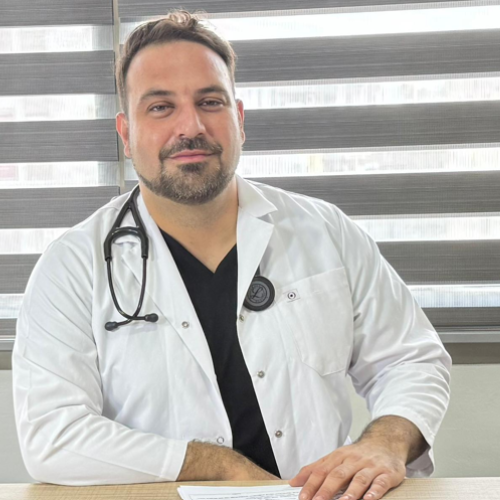
Dr. Alex Med Director Vitalia24

Dr. Alex Melhuish

Medical Director

Stem Cells

- Neuroprotection and Repair: Stem cells, particularly mesenchymal stem cells (MSCs), can differentiate into various cell types, potentially repairing or replacing damaged neurons. They also release factors that support neural cell survival and neurogenesis (the creation of new neurons).
- Anti-inflammatory Effects: Stem cells can reduce neuroinflammation, which is believed to play a significant role in the pathology of autism. By modulating the immune response, they help create a more favorable environment for neural development and function.

Exosomes

- Cell Communication: Exosomes are tiny vesicles that carry proteins, lipids, and RNA, facilitating cell-to-cell communication. Derived from stem cells, they can deliver therapeutic molecules directly to affected brain areas.
- Immunomodulation: Exosomes have been shown to modulate immune responses, reducing harmful inflammation and potentially improving neurodevelopmental outcomes. Treating Autism Spectrum Disorder (ASD) with stem cells and exosomes involves experimental therapies that aim to address the neurological and developmental challenges associated with autism through regenerative medicine techniques.

Stem Cell Therapy

Stem cell therapy for MS involves the use of stem cells, which are undifferentiated cells capable of developing into various cell types. The proposed idea is that stem cells can potentially repair or replace damaged neural tissues, modulate the immune system, and reduce inflammation in the brain, which are thought to contribute to the symptoms of autism.
- Types of Stem Cells Used: Mesenchymal stem cells (MSCs) from sources such as bone marrow, Wharton Jelly of Umbilical Cord or adipose tissue are commonly used. These cells are believed to have anti-inflammatory and neuroprotective properties.
- Administration: Stem cells can be administered intravenously or intrathecally (directly into the spinal fluid). The method of delivery depends on the specific treatment protocol.

Exosome Therapy

Exosomes are small vesicles secreted by cells, including stem cells, that contain proteins, lipids, and RNA. They play a key role in cell-to-cell communication and can influence various biological processes.
- Mechanism: Exosomes derived from stem cells are thought to carry therapeutic molecules that can help reduce inflammation, promote neurogenesis (the formation of new neurons), and modulate the immune response. This can potentially improve neurological function and behavior in individuals with autism.
- Benefits: The use of exosomes is considered less invasive than direct stem cell therapy and carries a lower risk of immune rejection, as they do not involve the transplantation of whole cells.

Clinical Trials

Ongoing clinical trials are exploring the safety and efficacy of these treatments in individuals with MS. Early-phase trials focus on safety, dosage, and initial efficacy signals, while later-phase trials aim to confirm benefits and understand the mechanisms involved. Results from these trials will determine if these therapies can be integrated into mainstream autism treatment protocols, offering a novel approach to managing the condition.

Goal

The ultimate goal of using stem cells and exosomes in treating MS is to reduce disease progression and improve neurological function in MS patients, as well as to improve the overall quality of life by addressing the underlying biological abnormalities associated with the disorder. However, more research is needed to fully understand their mechanisms and effectiveness.

Our Team

A Professional &
Care Provider

Medical team

Medical Team

Multilingual Experts

Frank Founder & Director of Vitalia24

Frank Rothmaier

Founder & Director

Jenny Patient Coordinator

Jenny De Bonis

Patient Coordinator

Happy MS patient

Conclusion

While Stem Cell and Exosome Therapies for MS offer exciting potential, they are still experimental. Patients and families should approach these treatments with cautious optimism and consider them within the context of ongoing clinical research and under professional medical advice.

What can be expected treating Multiple Sclerosis (MS) using Stem Cells and Exosomes?

In Multiple Sclerosis (MS) patients, exosomes derived from MSCs have shown good results in reducing inflammation, protecting neural cells from damage, and facilitating myelin repair.


Exosome Therapy offers several advantages, including lower risks of immune rejection and simpler administration compared to whole-cell transplantation. They can cross the blood-brain barrier, making them particularly effective in targeting central nervous system disorders like MS.


Combining Stem Cell and Exosome Therapies could synergistically enhance treatment outcomes by providing both cellular and molecular mechanisms for immune modulation and neural repair.


While still in the experimental stage, these therapies hold great potential for transforming MS treatment, offering patients the possibility of improved function and quality of life.

Request more information:

Vitalia24 Logo

Add your details here:

Vitalia24 Logo

Add your details here: